The Magician from Riga
Eighth World Champion (1960 - 1961), Tal was gifted with extraordinary memory and exceptional tactical sensitivity.
He brought to prominence an innovative way of understanding chess, in contrast with the traditional vision anchored to static positional judgment.
His play exalted the dynamic factors of the position, making him a unique artist on the chessboard.

Diagrams (1/3)
Tal,M - Simagin,V - 1956
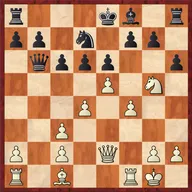 Masterpiece
 Position after 11...h6
Tal,M - Tolush,A - 1957
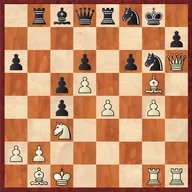
Position after 29...f6
Tal,M - Klaman,K - 1957
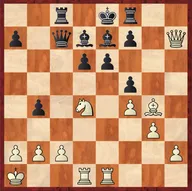
Position after 22...f5
Diagrams (2/3)
Donner,J - Tal,M - 1959
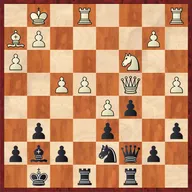
Position after 19.Rfe1
Tal,M - Tukmakov,V - 1970
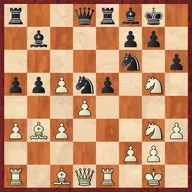
Position after 21...h6
Keres,P - Tal,M - 1957
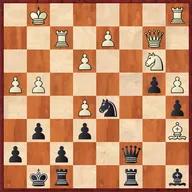 Masterpiece
 Position after 28.Ba6
Diagrams (3/3)
Tal,M - Uhlmann,W - 1970
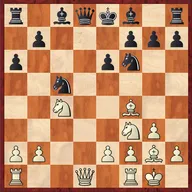
Position after 10...Nxc5
Tal,M - Karpov,A - 1987
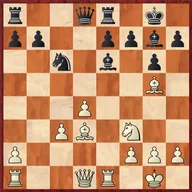
Position after 12...Be6
Tal,M - Akopian,V - 1992
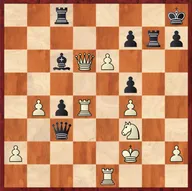
Position after 30...Bc6
Further Reading (1/3)
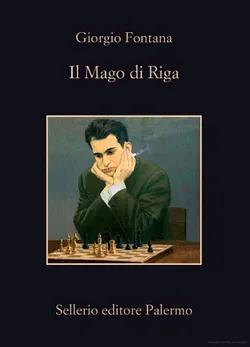
Il Mago di Riga
Author: Giorgio Fontana
Publisher: Sellerio Editore Palermo
The book traces key moments of Tal’s life, starting from his game against Vladimir Akopian in 1992. This match becomes the starting point for a series of reflections and memories that explore the complexity of Tal as both a man and a player.
Further Reading (2/3)
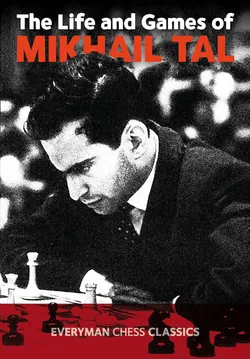
The Life and Games of Tal
Author: Mikhail Tal
Publisher: Everyman Chess
A unique autobiography that narrates Tal’s most brilliant games during his ascent. This book is a classic for anyone wanting to explore his imaginative and revolutionary approach.
Further Reading (3/3)
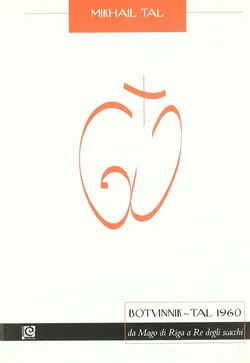
Botvinnik - Tal 1960
Author: Mikhail Tal
Publisher: Caissa
Tal analyzes the legendary match against Botvinnik that crowned him World Champion. A mix of deep analysis and the recounting of the emotion of that historic moment.